Wheelchair Accessibility on Munich Sightseeing Buses
Is the Munich Hop-On Hop-Off bus wheelchair accessible? We review ramps, dedicated spaces, and the difficulty of major stops.
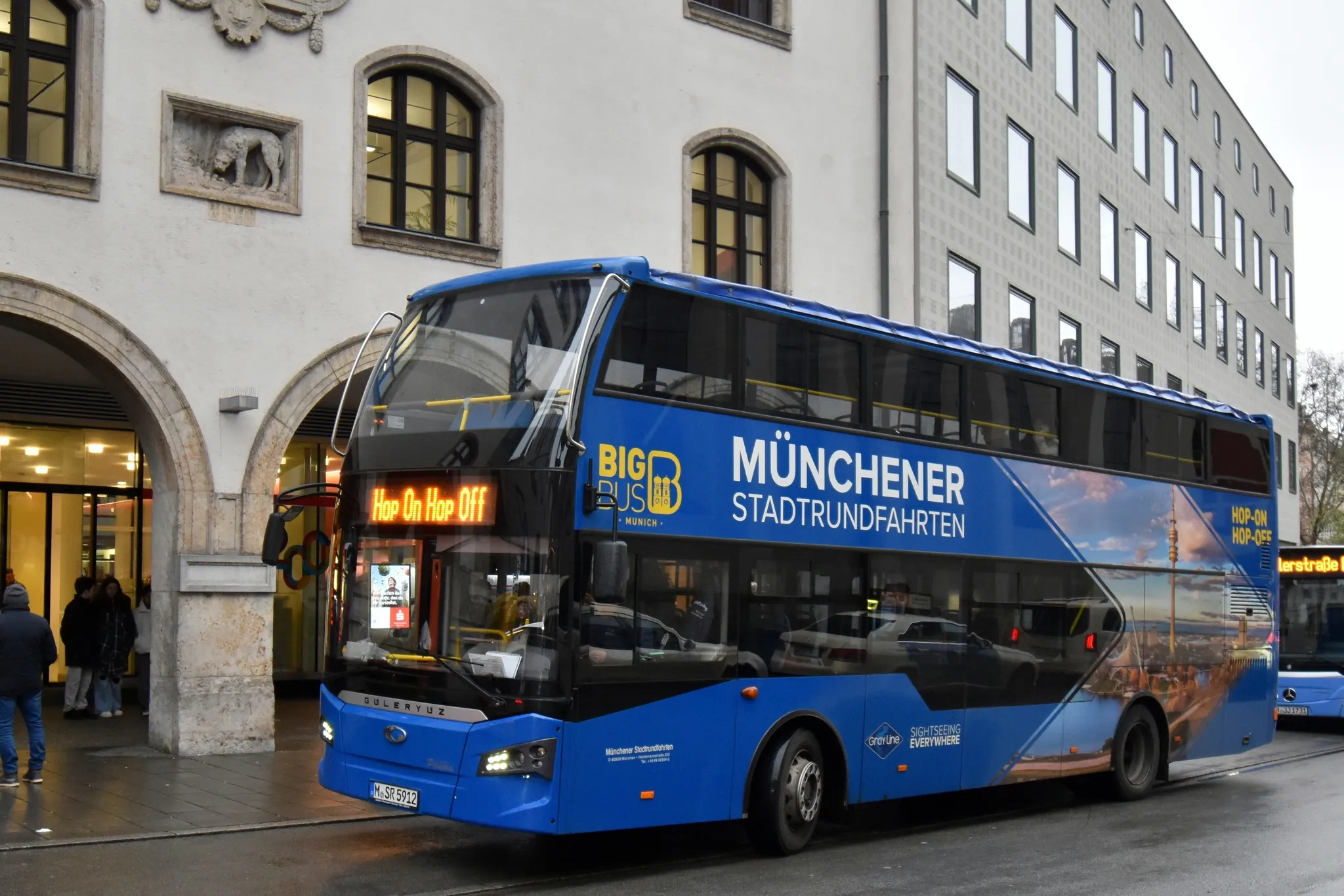
Munich is generally a very accessible city, and the sightseeing buses are designed to accommodate this.
The Bus Features
- Ramps: All modern double-decker buses (City Sightseeing, Big Bus) are equipped with a manual fold-out ramp at the rear or middle door. The driver will come out to assist you.
- Kneeling Buses: The bus can lower its suspension to curb height to make boarding easier.
- Dedicated Space: There is a designated space for one wheelchair on the lower deck. You must remain in the wheelchair or transfer to a seat nearby, with the chair secured.
Limitations
- Top Deck: The top deck is not accessible. It is reached only by steep, narrow spiral stairs. You will be seated downstairs. The windows are large, so you still get a view, but it's not the "open air" experience.
- Electric Wheelchairs: Most buses can handle standard electric wheelchairs, but very heavy mobility scooters might struggle with the ramp gradient or turning circle. Ask the driver before purchasing your ticket.
Stop Accessibility
- Good Stops: Marienplatz, Odeonsplatz, BMW Welt, and Nymphenburg generally have paved, flat boarding areas.
- Challenging Stops: Stops near the English Garden or some temporary construction sites might have gravel or high curbs.
Recommendation
For a wheelchair user, the bus is a fantastic way to see the spread-out sights (like Nymphenburg Palace) without navigating the U-Bahn elevators (which are sometimes out of service) or the cobblestones of the old town. The drivers are usually very helpful in deploying the ramp and ensuring you are settled.
About the Author

Access Travel
This guide is crafted to offer a transparent, practical look at Munich's hop-on hop-off services, helping you navigate the city's geography and choose the best way to explore its rich history and modern vibrancy.
Tags
Comments (0)
Loading comments...