Back to conservation
unesco
Alhambra Conservation: A Practical Guide to Preservation
What changed since the Romantics—principles, controversies, and how labs, crafts, and policies protect the Alhambra today.
12/5/2025
15 min read
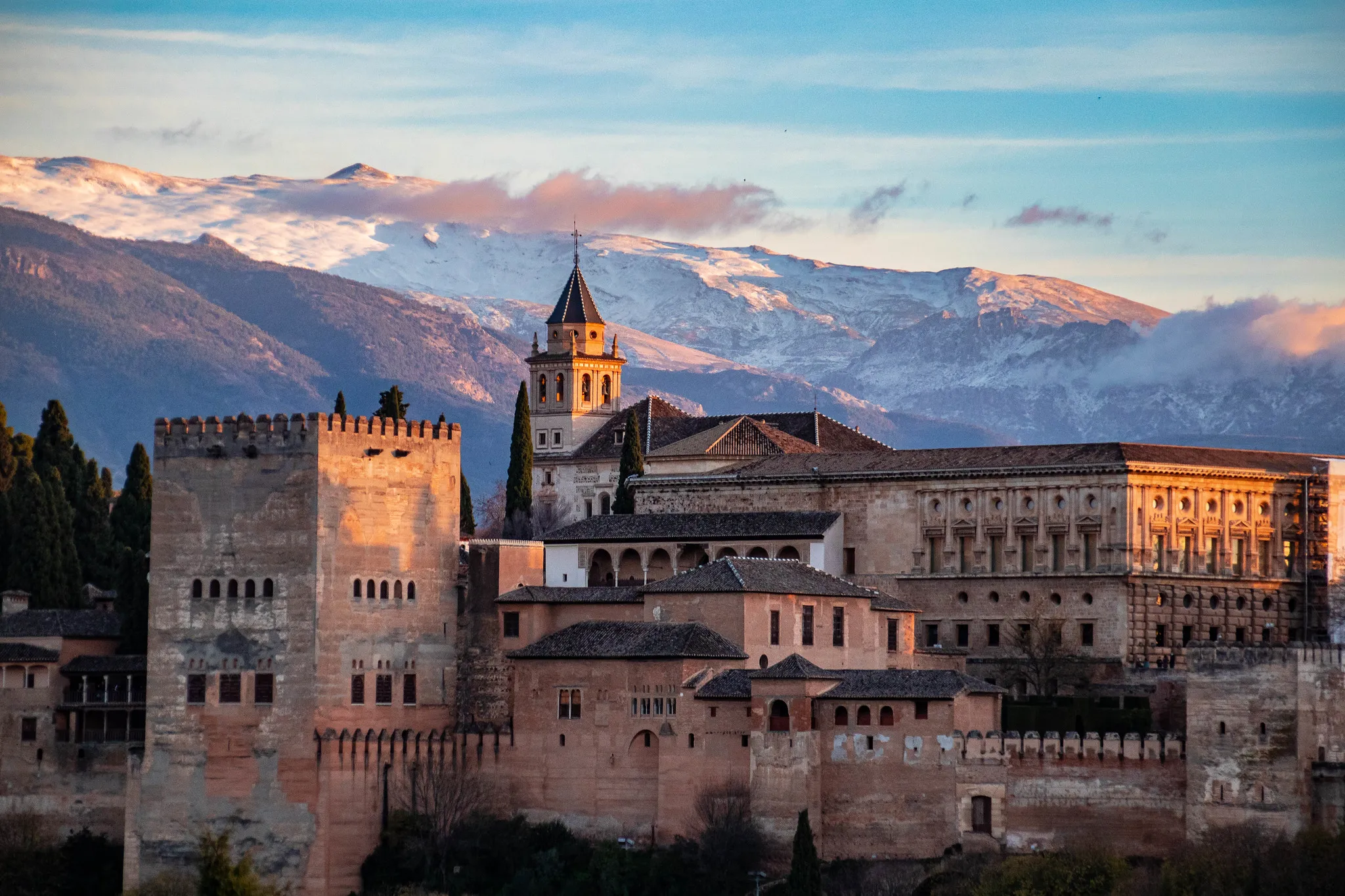
To save the Alhambra is to respect its palimpsest—Nasrid, Christian, Romantic, modern.
Restoration Timeline (Very Short)
- 19th c.: Romantic cleanups and reconstructions; mixed accuracy.
- Early 20th c.: Professionalization; structural stabilizations; first lab analyses.
- Late 20th–21st c.: Conservation science, monitoring, UNESCO frameworks, visitor management.
Principles in Practice
- Minimum intervention; reversibility; compatibility (lime with lime; wood with wood).
- Authenticity: preserve traces of time (patina), avoid conjectural “perfecting.”
- Documentation: every treatment recorded; materials traceable.
Typical Methods
- Stucco: micro‑injections, edge fixing, salt desalination, toned fills.
- Muqarnas: hidden anchors, re‑adhesion of modules, environmental tuning.
- Wood: consolidation, insect mitigation, joint repairs, respectful in‑kind replacements.
Debates and Lessons
- 19th‑century repainting vs. original polychromy—how much to reveal or mute?
- Reconstruction of lost elements: when is didactic reconstruction helpful vs. misleading?
Pressures Today
- Visitor load and vibration; micro‑climate shifts; water chemistry; urban pollution.
- Solutions: timed entries; capacity caps; paths that dilute peak loads; condition sensors.
UNESCO Snapshot
- Criteria: masterpiece of Nasrid art; testimony to cultural interchange; designed landscape with the Generalife.
- Buffer zones protect viewsheds and hydrology; management plans evolve.
How You Help
- Don’t touch surfaces; keep distance from fragile edges; no flash.
- Follow staff routing; report leaks or issues to guardians if seen.
Bottom Line
Conservation is continuous; your careful visit is an active treatment.
About the Author

Granada Heritage Editor
I built this to help you enjoy the Alhambra calmly—smarter timing, kinder routes, and context that makes palaces and gardens sing.
Tags
conservation
restoration
UNESCO
heritage
management
Comments (0)
Leave a Comment
Loading comments...